The Notebook Notes, logs, and small updates.

How Microsoft and Bill Gates acquired power


Bill Gates and Microsoft are not a story about hard work or even capitalizing on lucky opportunities. It’s a story about privilege and artificially creating conditions for success that the average person never can.

Bill Gates belonged to a well connected family. His father William H. Gates Sr., was a big shot attorney, and his mother, Mary Maxwell Gates, served on corporate and nonprofit boards, including the board of United Way (an international network of over 1,800 local nonprofit fundraising affiliates).

It was through the United Way board that she met the chairman of IBM at the time, John Opel, and it was this connection that helped Microsoft.

When IBM wanted an operating system for their consumer desktop computers, they chose Microsoft to be their partner. Microsoft didn’t even have an operating system at the time. Gates acquired the rights to an existing operating system called 86-DOS (also known as QDOS) from Seattle Computer Products and renamed it to MS-DOS and licensed it to IBM. So not only was he privileged, he was also not a gifted programmer or inventor as people tout him to be. He was just another rich kid who used his money and his parent’s connections to start a business.

An argument could be made here that this is no different from wealthy people in the past using their money and resources to become patrons for other artists and inventors. We wouldn’t have Windows or personal computers today if it weren’t for Gates and Microsoft. But the difference between then and now is that back then it was the artists and inventors who got the recognition and left a legacy, whereas now, nobody knows who the engineers are and these rich trust fund babies take all the credit.

Modern capitalism disproportionately rewards and memorializes capital allocation and ownership while underrecognizing the engineers, scientists, and designers whose technical labor makes these enterprises possible.
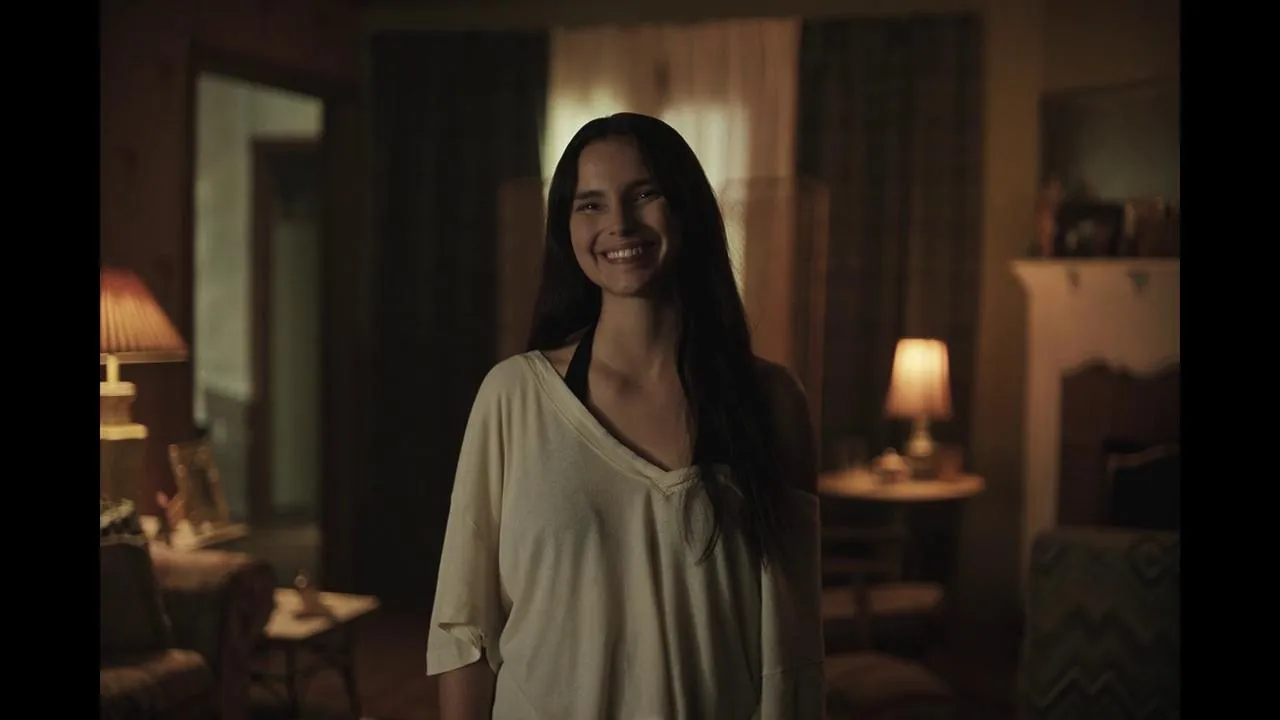
Obsession (2006)


Obsession (2006)

I saw this movie today around sunrise when everyone was sleeping.

So I went to log the movie in my Letterboxd account and saw the director of the movie, Curry Baker and it all made sense. That is why Ian looked familiar to me yet I couldn’t recall any of his other films. Reason is that I know him from his YouTube channel, where he and Curry make funny skits. I really went into this one blindly.

The movie is mostly carried out by performances, camera angles, and horror tropes. The plot is super mid, and in hindsight, it does feel like an extended horror/comedy skit that Curry and Cooper would do on YouTube.

From a realism and immersion standpoint, Bear’s decisions and reactions made no sense. Neither that of the other characters. None of them act like any sane person would around an unhinged and weird Nikki. But them acting irrationally is the only thing carrying the plot forward, otherwise Nikki would’ve been in jail or admitted in a mental institution after the first night, and we wouldn’t have had a film at all.

Every character in this movie is a shitty person. Bear, because of his obsession (yes, it’s his obsession the movie is named after), that causes him to make a wish and trap Nikki under a spell. Ian, who apparently is Bear’s closest friend but for some reason doesn’t tell him that he has been casually hooking with his crush. Instead, he gives him advice on how to ask her out. What a dick. And Nikki as well. No one is that aloof that they can’t perceive someone’s feeling towards them by their attention to you and their willingness to spend time with you and the way they talk and move around you.

This movie is very good low-brow entertainment though, and it’s good for movie night with friends. But it could’ve been better. Also, I already sensed the ending halfway through the movie.

I guess it could a be a memorable B-tier horror movie that kids growing up would reference years later. It’s not going to have an impact on the horror genre or give us any pop culture icons.

Rating: 5/10

Kunstkamer Paintings


If you were an artist today and you wanted to flex, you would make some visual illusion and post it on Instagram and TikTok. But what if you were a Dutch artist in the 17th century? How would flex your godly art skills and mog the no-talent plebs?

By making a Kunstkamer.

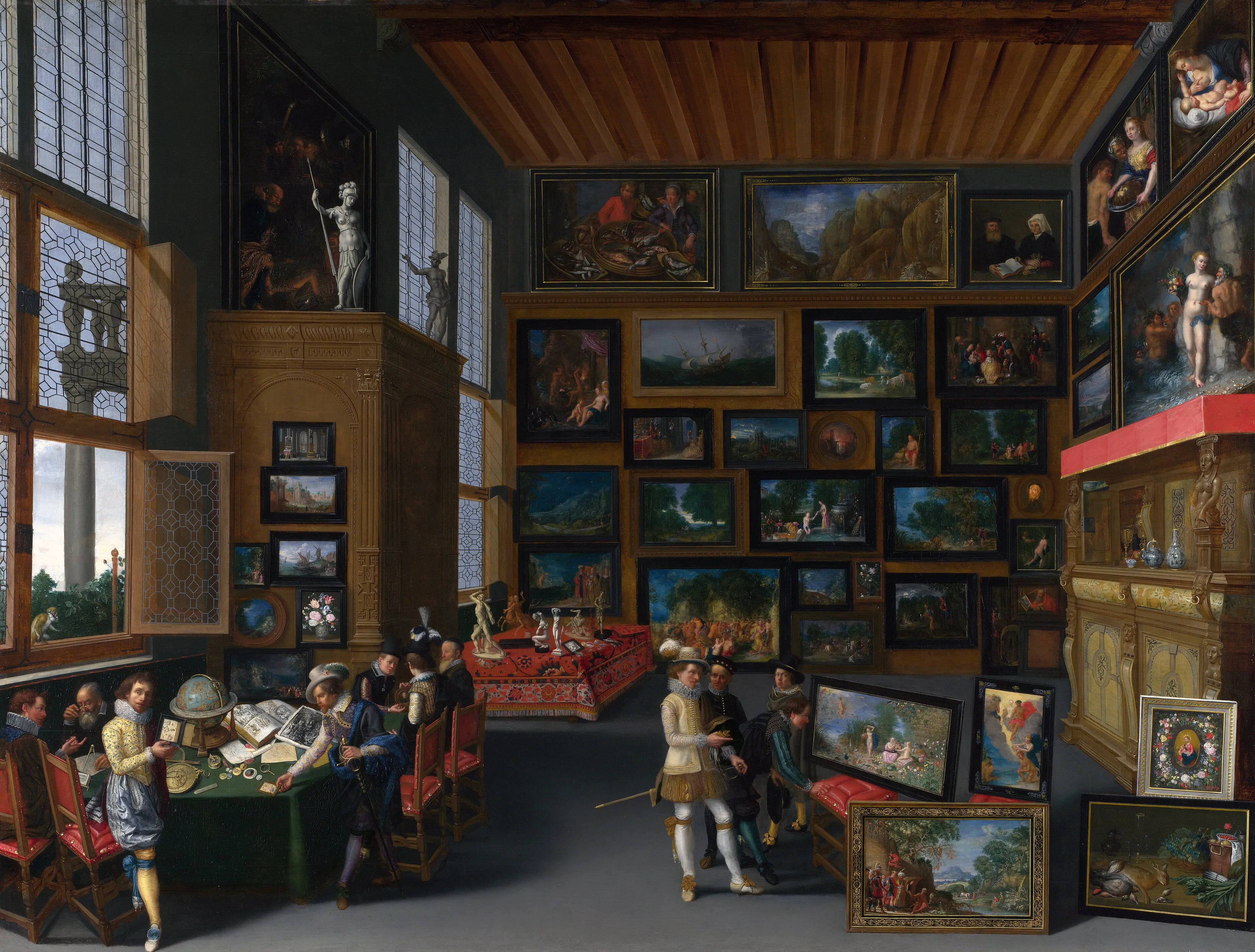
Like this one (Cognoscenti in a Room hung with Pictures), made by Willem van Haecht in around 1620, which it shows art connoisseurs (cognoscenti) discussing and examining an art collection.

Cognoscenti in a Room hung with Pictures — c1620

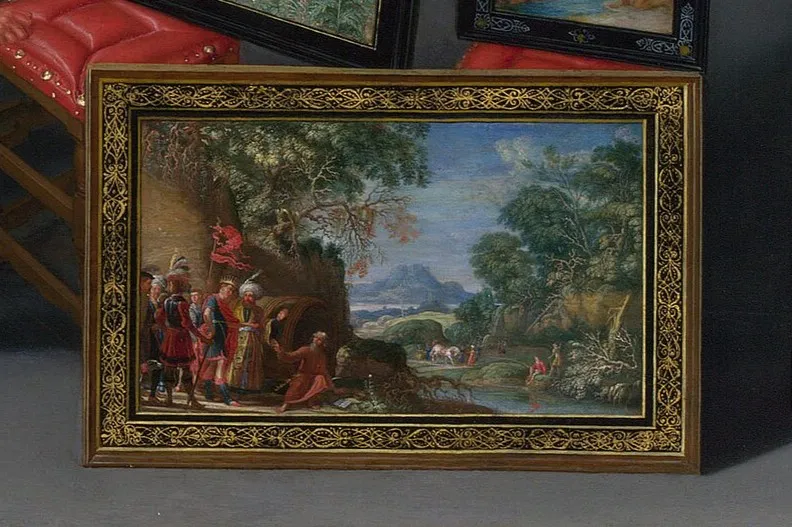
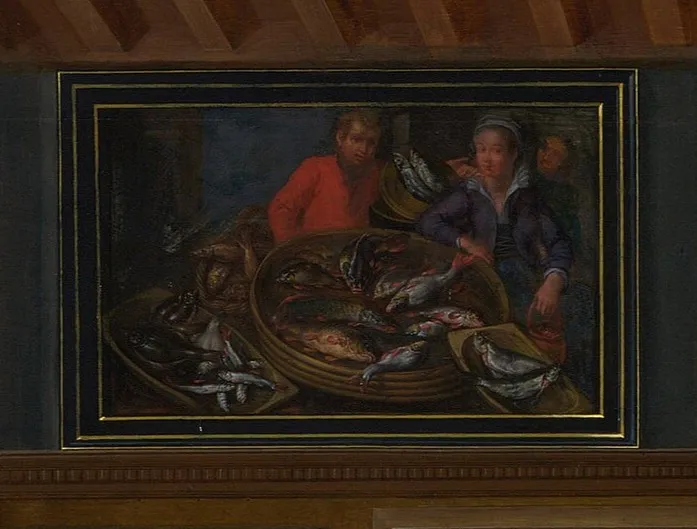
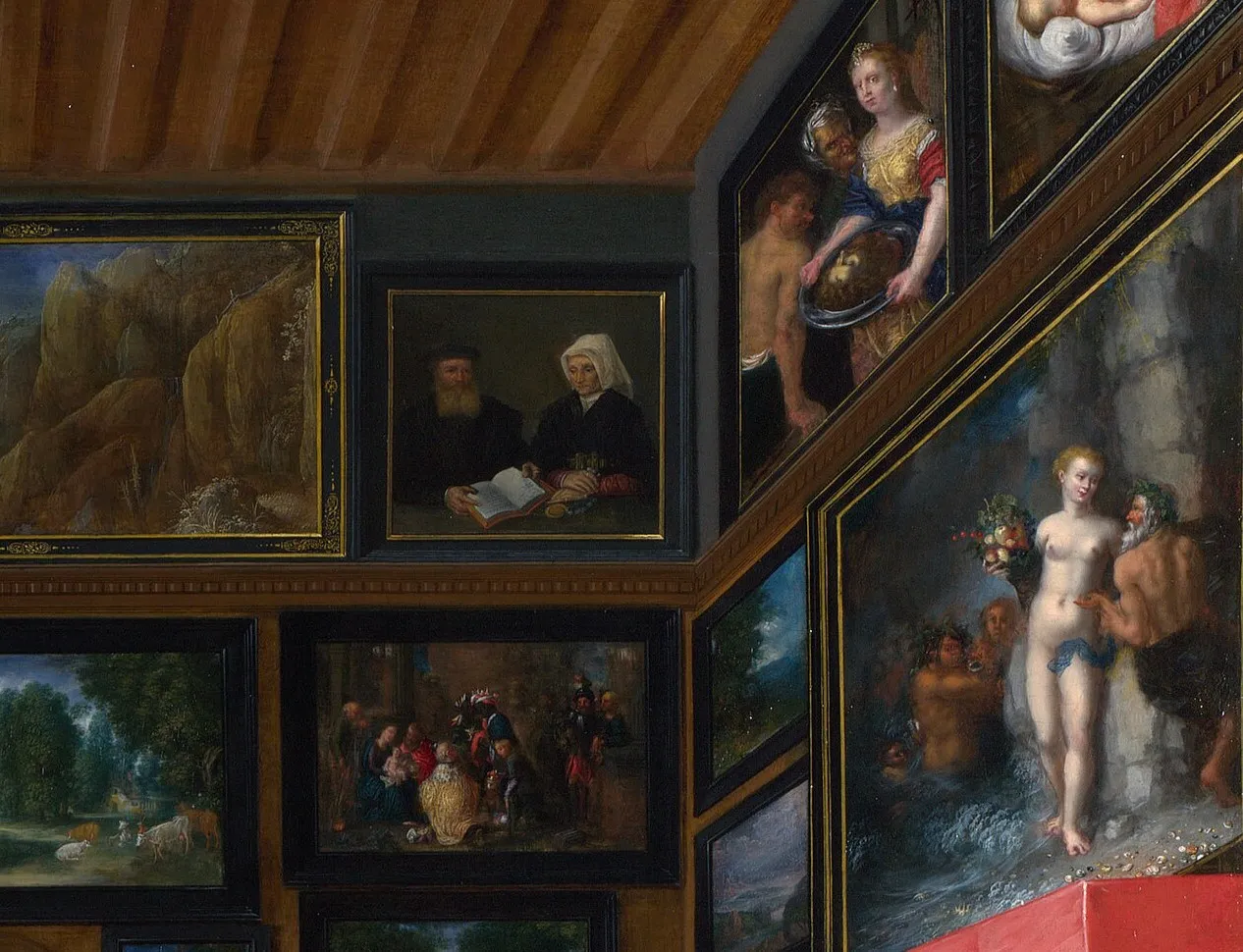
A Kunstkamer (cabinet of art or cabinet of curiosities) is a genre or style of artwork that got popularized in Antwerp (Belgium) and the Southern Netherlands between roughly 1600 and 1650. These things were truly technical masterpieces because the paintings would contain dozens of other tiny paintings. And they weren’t just random doodles. If you zoom in, you’ll see that many of the tiny paintings inside are miniature reproductions of real works by famous Renaissance and Baroque artists. The level of detail is extraordinary. You can literally see the brushwork within the tiny reproductions.

Cognoscenti 1 Cognoscenti 2 Cognoscenti 3

The kunstkamer paintings were often commissioned by very wealthy collectors and they were used to showcase their art collections and taste. Kind of like how I make lists on this website to showcase mine. You wandered through ideas by walking from painting to painting and would see how all the art on display was connected through artists, patrons, history. You could literally think of them as 17th century Tumblr walls. You would not only get to know the taste of the person who owned the collection but also understand them a little bit as a person.

You should google Flemish gallery paintings or kunstkamer paintings to find more works in this style.

The Fountain (2006)


The Fountain

So last night I saw The Fountain. I was looking for a certain kind of vibe and visual experience and couldn’t find anything that would fit that criteria. But after going back and forth with ChatGPT for two days, I finally settled on this movie. But what an experience man.

So there are two ways to understand the story. One is the way in which the movie itself tries to explain the plot, and the other way which I think is much easier to understand.

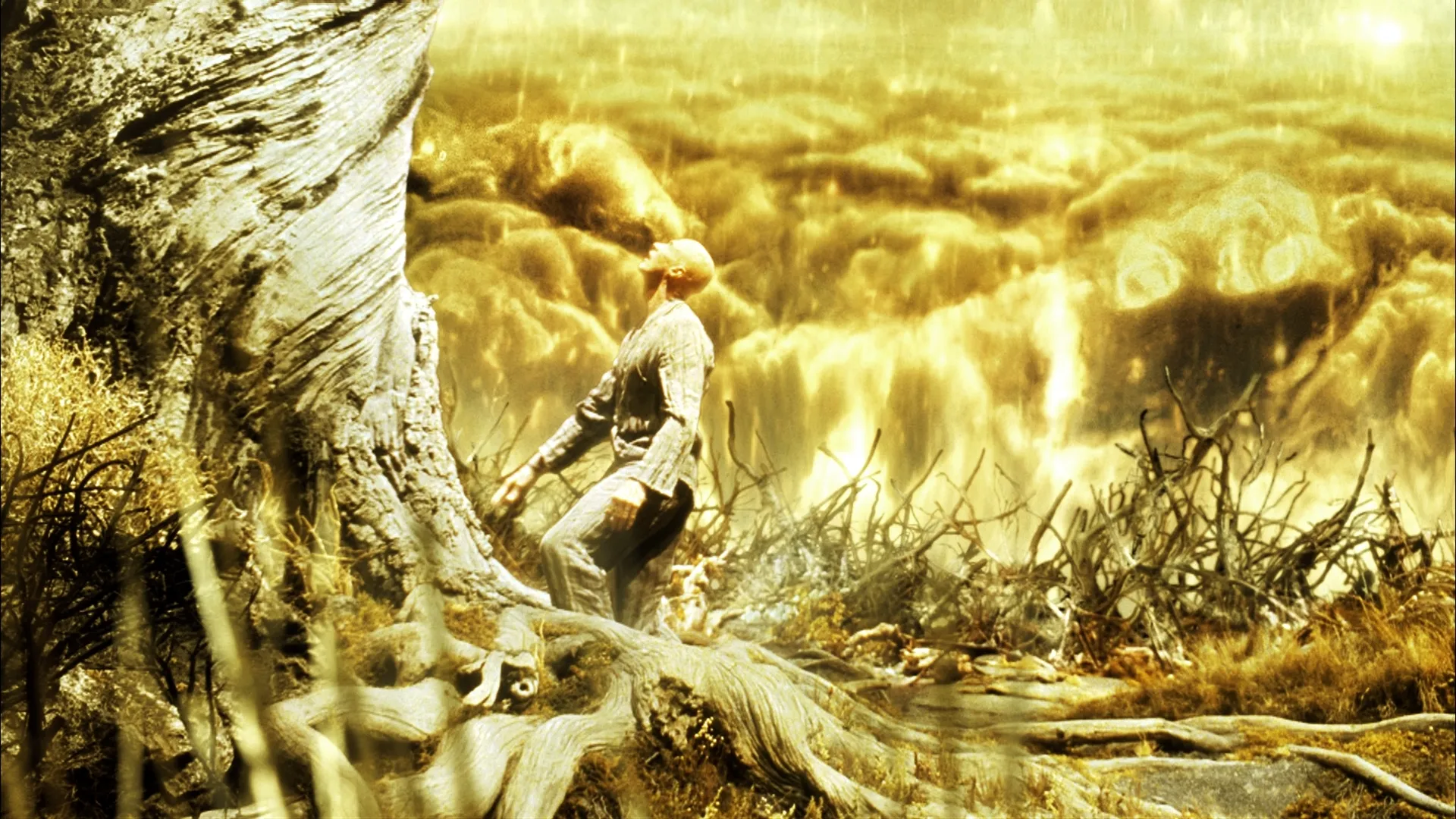
So we have three timelines playing simultaneously in the movie (not technically). One timeline is the current timeline in which our scientist Tommy is trying to find a cure for his wife Izzy’s cancer. The second timeline is a future timeline in which another version (Tom) is also trying to save his wife who has turned into a tree and is trying to take her and himself in a biosphere bubble to the dying star called Xibalba. The third timeline is from the past. Now it could be a real timeline, but most of it is told from the perspective of Izzi’s book. That timeline is in New Spain during the 16th-century Spanish conquest of the Maya, and that version (Tomás) is trying to save the queen by finding the tree of life, a tree whose sap gives you immortality. 

The movie itself is an audio-visual experience and has these sad pieces that are very artistic. Every scene looks like it comes out of a painting and there are a lot of visual motifs. The background music is also very sad and hopeful at the same time. It evokes a certain kind of melancholia inside you.

The movie leaves you with a bittersweet kind of ending. I can tell you the ending but it still won’t be a spoiler because it is very hard to understand the movie. Plus I don’t think there’s a single interpretation. Everyone will have their own idea of the story and plot. I don’t even think the movie tries to really tell a story. Rather, it tries to convey a message by this artistic feeling. It’s like if a painting started moving. That’s what this movie is like, and you have to extract your own meaning from it the same way you do with paintings.

The message I got from the movie is that death is an inevitable experience that we all must be willing to enjoy. It is not the end but the start of another book, which can only start one you happily finish the last chapter of the previous one. (the final chapter motif). Once you die, your atoms become part of the universe, which will then be used to create new life. In that way, you never actually die.

Hugh Jackman has one of the best performances in this movie. Instead of all the onscreen angry rage he’s known for, you actually get a crying Jackman, a contemplating Jackman, and just a general sadboi Jackman. And it all looks natural. You actually forget he’s Wolverine and view him as this normal doctor-husband guy.

And there’s Rachel Weisz, who plays the wife, and the queen (and the tree I suppose?). Her wife character comes off as this like aloof, pixie dream girl. Which I’m going to be honest, is my head cannon about her real life personality. She is definitely not like that in the mummy, or the movie Constantine (which her only movies I can remember right now), but it’s just like the way she looks or behaves or the way she sounds that kind of gives me the feeling that she’s like that. Anyway, she plays that sort of personality here, which is endearing to watch.

I was disappointed by the fact that there is no actual star named Xibalba that they mention in the movie (the nebula representing the Mayan underworld). I thought it would be a cool rabbit hole for me to get into, but sadly it was all made my sci-fi for the movie. There is an actual nebula that they Mayans associated with creation, the Orion Nebula, but there is no Xibalba :(

Rating: 9/10


I think reincarnation is real. One day you’ll die, and your atoms will be go back into the universe that birthed you. And then one day those same atoms will come together again to form molecules for another life. It could be a a year later, ten years later, or twenty billion years later. But it will happen. You won’t remember your previous life, but that’s a good thing, because you’ll be able to start anew without the insecurities and trauma that held you back in this one. You’ll get a second chance.

Gardening Journal Episode 2


So I got some more plants. Actually I didn’t get them, my dad did. Yesterday, he came home and presented me with four new plants that he got for very cheap from a street vendor. Today he made me plant them in 12-inch pots.

My dad likes gardening (he used to do when he was a teenager) and he would love to have some plants around this house. But he’s lazy. Coincidentally he found a slave who’s naturally inclined towards this hobby, so from 8 a.m. to 12 p.m. today, I did unpaid labor under the July sun.

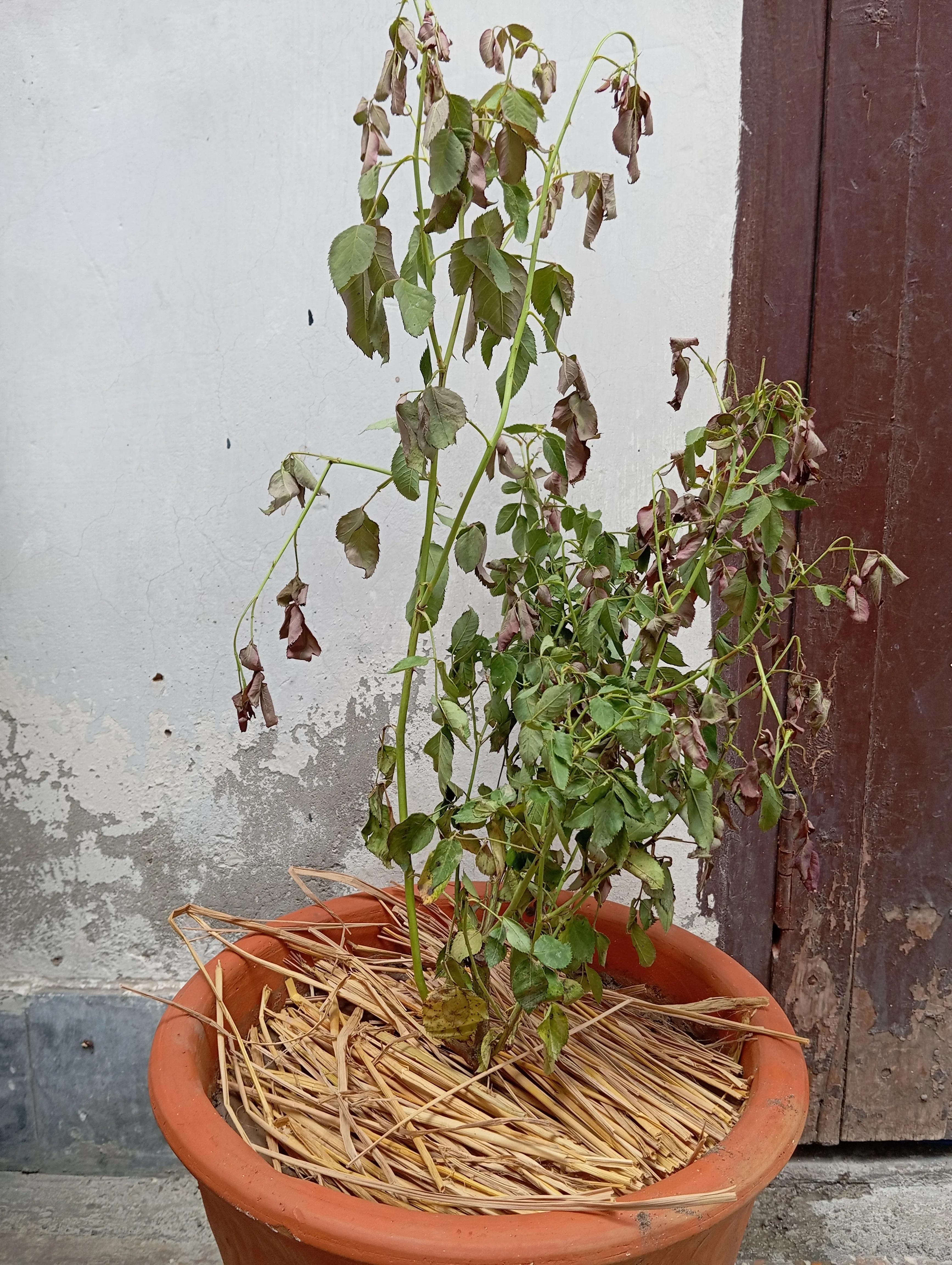
So now I have a Rose plant which is looking quite sad to be honest. Rose | 300 Most likely because of the transplant shock. Hopefully it’ll look much happier in a few weeks.

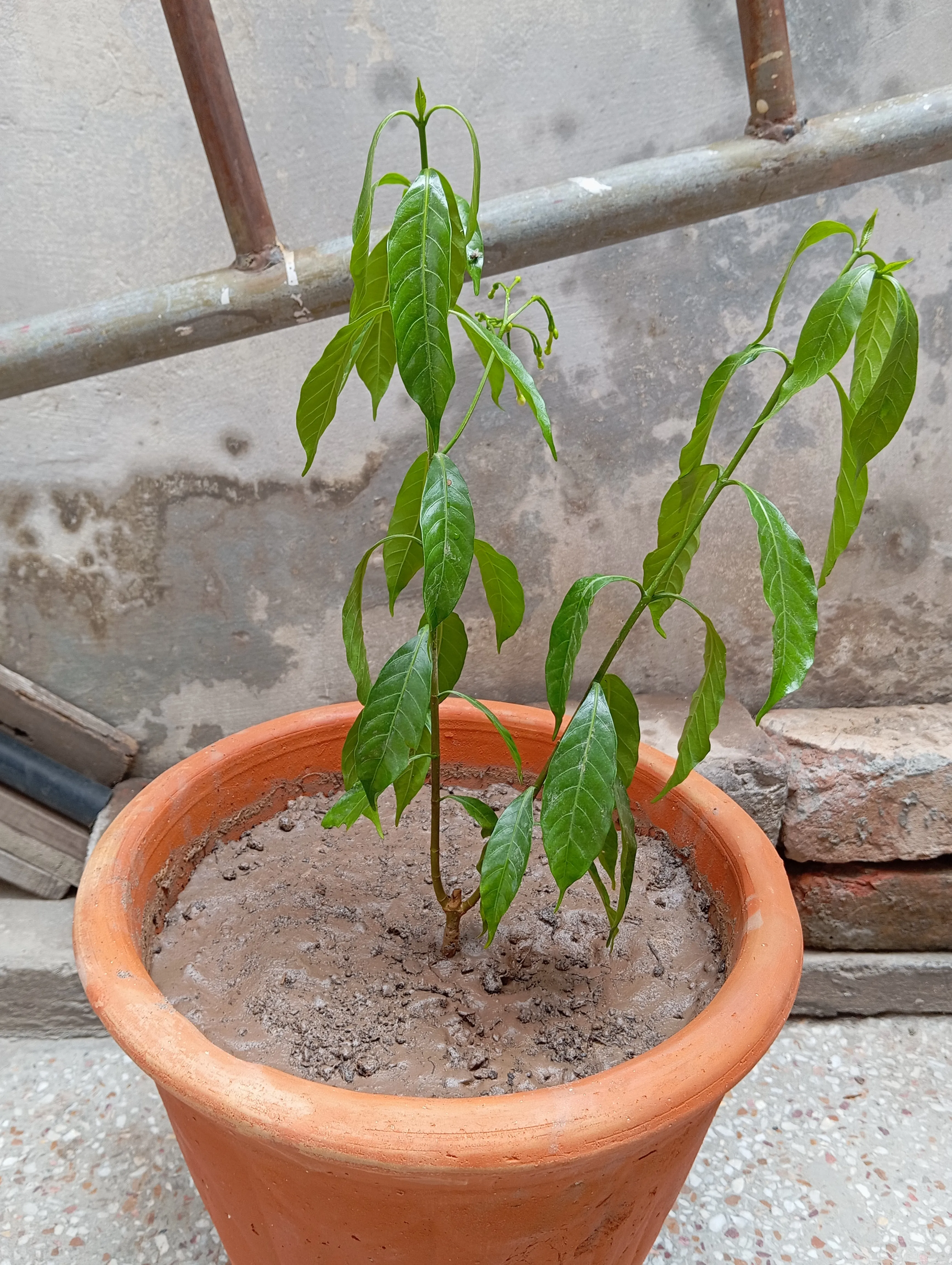
And then there’s this Chambeli plant, which is mostly growing to one side. Chambeli | 300

A Lady of the night. Lady of the night | 300

And a Jasmine plant. Jasmine | 300

These last two are in a much better shape.

From my limited gardening experience, it takes about a month for plants to get acclimated to the new pot and environment. But once they do, you start noticing new growth almost every other day.

Gardening Journal Episode 1


I decided to add my gardening adventures here as well. I started this at the end of May with a couple of snakes plants, a lemon tree, and some aloe vera (RIP to them). Since then I’ve added a few more: a calico plant, sweet basil, and orange jasmine (murraya paniculata). The actually started really growing this month and I’m seeing new shoots in all of them.

I also some pothos growing in my window but it’s not picture worthy yet. And the mint I planted, well, people say you can’t kill mint, but I did. So a reverse achievement of sorts?

Anyhow, this is the progress of these smaller plants so far. I’ll maybe do this garden posting as a regular weekly thing.

basil_02-07-2026 | 300 calico_02-07-2026 | 300 murraya_paniculata_02-07-2026 | 300


For some reason, I feel nostalgic about these New York brownstone apartments even though I’ve never been to New York.

Brownstone

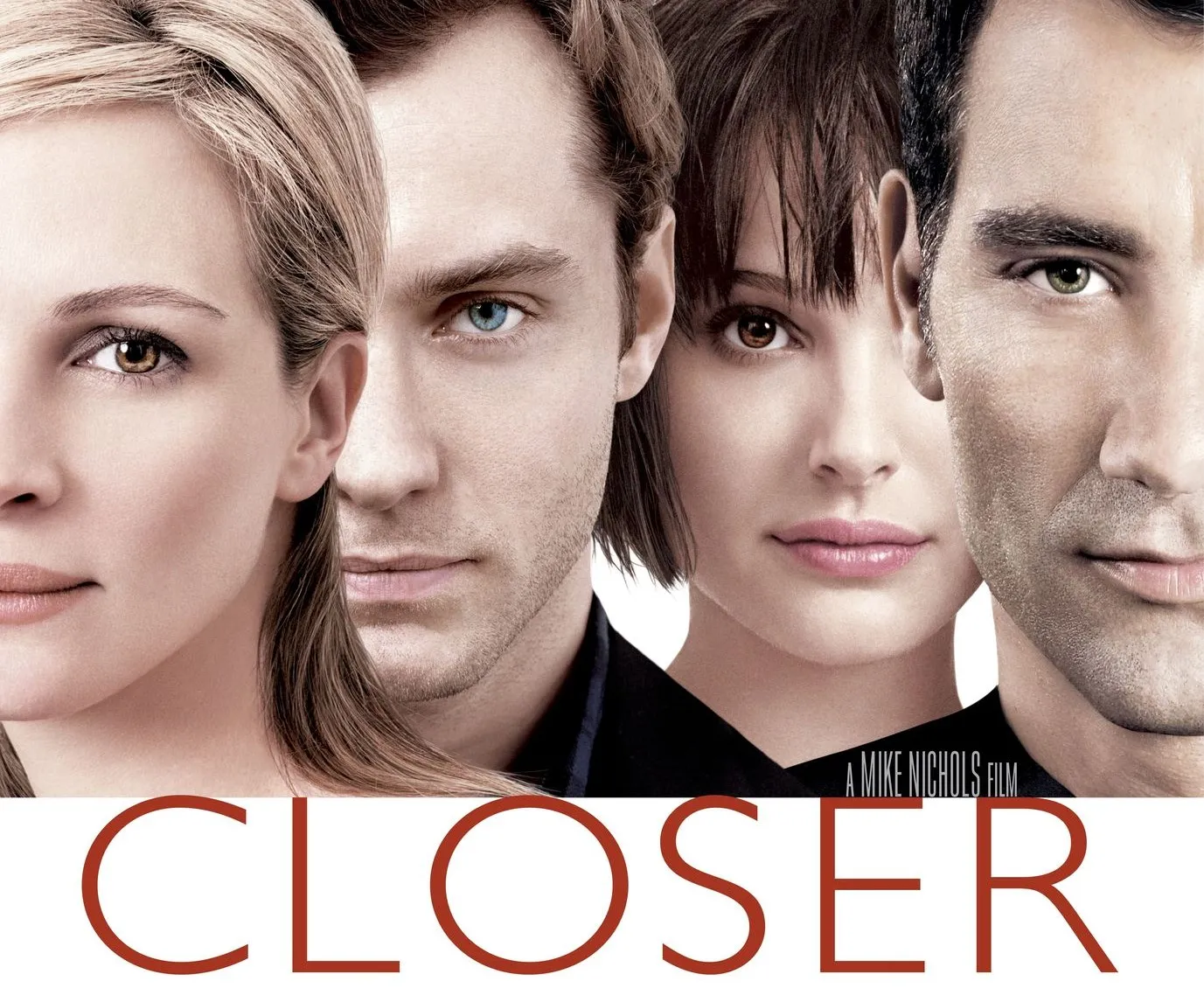
My thoughts on the movie Closer (2004)


Closer (2004)

Let me start by saying that I did NOT enjoy this movie. I was suggested to watch this movie by a brand new friend that I caught like a Pokémon about two months ago. So in lieu of keeping the Pokémon placated I decided to give this movie a go. It had Jude Law, Natalie Portman, and Julia Roberts. I like Jude Law. He was great in Sherlock Holmes and Enemy at the Gates (those are his only movies I watched). So I thought with such a high profile cast, this would be the most peak movie ever.

I was disappointed.

Closer is just a bunch of people doing a bunch of people things. But none of it is intriguing or captivating. If I have to summarize the plot, it’s basically just four people talking. Actually, there is no plot to begin with.

And the characters are equally empty. I get the idea that they were supposed to be flawed and not someone to root for, but I couldn’t even feel anger towards them. There was also no growth or even anti-growth (regression?) for that matter. Nothing changed at the end of the movie.

Instead of an actual good movie, it seemed like one of those arthouse movies that are designed to be Oscar bait. And it didn’t even win any. Only pretentious critics can enjoy something like this while talking about “themes” and sniffing their wine glasses.

I read people’s comments saying it’s a dialogue driven movie. The only good line in the entire film was when Larry describes the human heart to Dan.

“Have you ever seen a human heart? It looks like a fist, wrapped in blood!”

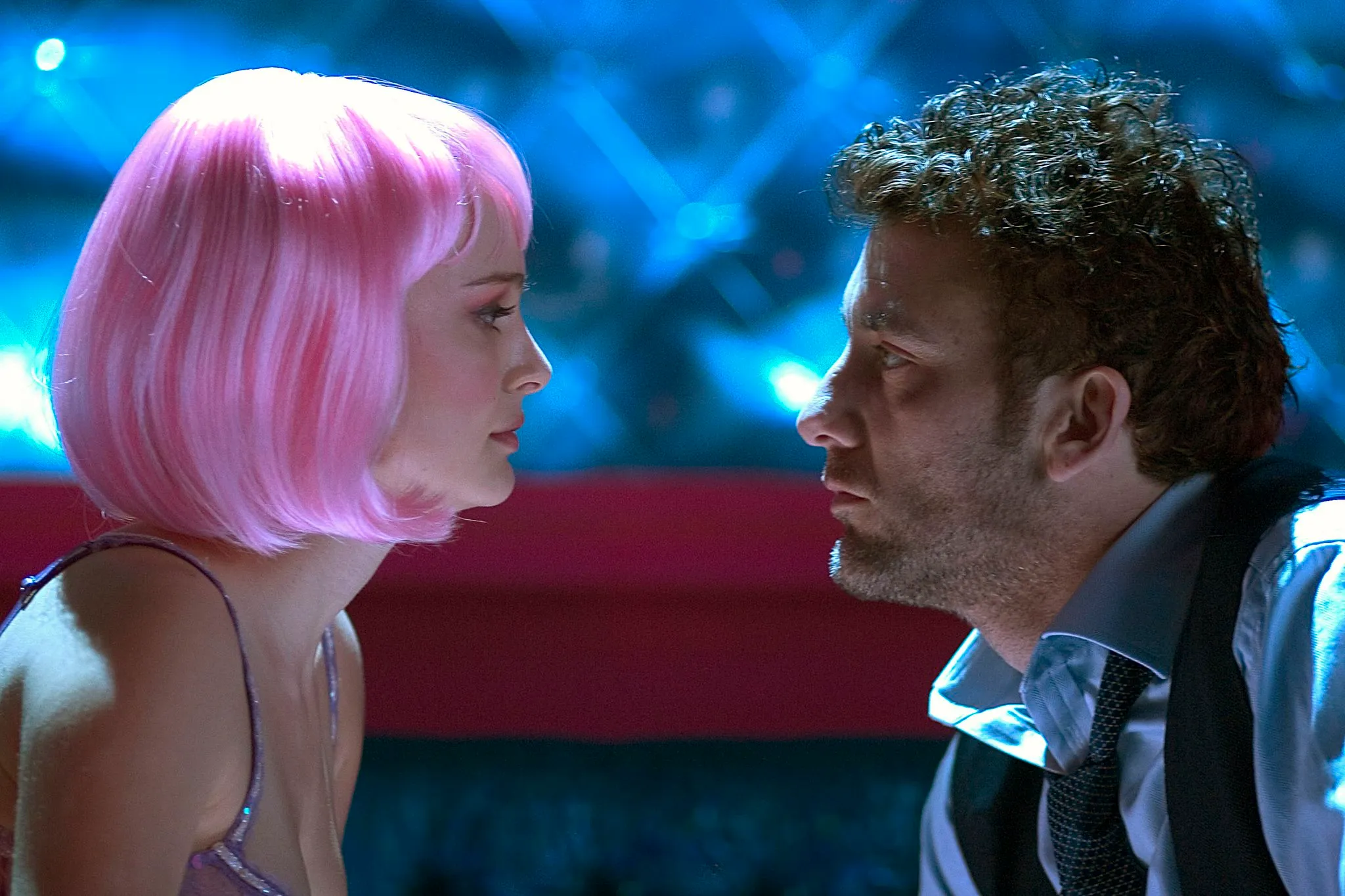
And the only visually enjoyable thing was Natalie’s pink hair stripper aesthetic.

Pink Hair Natalie

Speaking of Natalie, I think a lot of earlier Natalie Portman movies have her in very mediocre roles. Not to say she’s a bad actor, but in her earlier movies she was literally just cast as eye candy whether it was Léon: The Professional or something like Star Wars.

Anyway, I rate this movie 💩💩. Complete waste of time. Not even philosophically deep or anything. If you want to watch trashy people doing trashy things, just go to X (Formerly Twitter).

Thucydides Trap


Thucydides’ History of the Peloponnesian War recounted the history and the causes behind the war between Athens and Sparta.

Sparts was the regional hegemon of Greece while Athens was a rising nation, growing economically and militarily and eventually surpassed Sparta in terms of wealth, influence and power. This led to Sparta feeling concerned of the growth and influence of Athen’s and how it could challenge Spartan dominance. According to Thucydides, Spartan fear of Athens’ growing power was the fundamental cause of the war. A conflict born purely out of assumptions that could have been avoided had both parties just talked it out.

The term Thucydides Trap is used to describe the tendency towards war when an emerging power threatens of rivals to displace an existing great power as a regional or international hegemon.

This is the trap that America and China are currently finding themselves in.

But the trap is a total self projection on the hegemon’s part. It is rooted in their own insecurity and bad faith. Because the hegemon itself came to power using warfare and illegitimate means, thus it believe that the rising power will do the same even if the rising power in question has no plans of doing that. This leads the hegemon to attack first, and eventually, losing to the rising power.

China will win. But at what cost?